Office Location
3540 Ave Santiago de los Caballeros
Ponce, Puerto Rico
office Hours
Mon-Fri: 8:00 AM - 5:00PM

Company

Zona Libre del Sur > Company
Historical Background

Zona Libre del Sur

The Foreign Trade Zone program of the United States of America was created in 1934 to increase the competitiveness and exports of American companies in the global market. A Foreign Trade Zone is an area established within or in the vicinity of a port of entry where the merchandise is considered as if it had not entered US jurisdiction, and no taxes are imposed on it. The companies benefiting from the program can carry out manufacturing, storage, processing, and exhibition of products.

The Chamber of Commerce of the South of Puerto Rico obtained a franchise in 1989 to operate a free trade zone under the Foreign Trade Zone Act program, as it operates in any jurisdiction of the United States of America. This is how the Foreign Trade Zone was born... Foreign Trade Zone #163. It is actively directed by a Board of volunteer businessmen and an executive body of the first order.

The mission of the Foreign Trade Zone is to provide economic advantages and support services to companies and investors through a Free Trade program that promotes socioeconomic development and local and international commercial exchange. This mission is achieved by following a strict Business Strategic Plan.

Zona Libre del Sur is the grantee operator of the Foreign Trade Zone 163 located in Ponce, Puerto Rico. Our main objective is the development of national and international trade providing our clients with considerable reductions in their operational costs and effectiveness in their operations and/or inventory management.

Zona Libre del Sur

Competitive Advantages

Cash Flow
  • Deferred US Custom duty payments
  • Deferred PR excise tax payments
  • Inverted tariffs
  • No duties or excise tax on goods with defects, damage, or expired
  • Reduce transit time (Caribbean, Central & South America)
  • Reduce Transportation costs
  • Reduce destination charges

Merchandise returned from international customers (e.g., defective or unwanted exports) can be brought back into the FTZ more efficiently. Businesses avoid or defer duties on re-imported goods, simplify customs procedures, and potentially destroy, repair, or re-export items without full duty payments that would apply outside the zone.


In U.S. FTZs, imported goods are treated as being outside U.S. customs territory for duty and entry purposes. This allows businesses to admit foreign and domestic merchandise into the zone for storage, processing, assembly, manufacturing, or exhibition without going through formal customs entry procedures, paying duties, or federal excise taxes at the time of admission.Key aspects of this efficiency include:
  • No immediate formal customs entry required: Goods enter the zone with simplified paperwork and oversight, reducing administrative delays compared to standard imports.
  • Duty deferral: Customs duties and taxes are only paid when (and if) goods enter the U.S. domestic market; no duties on re-exports or destroyed items.
  • Streamlined processes: Options like weekly (rather than per-shipment) customs filings, direct delivery without clearance delays, and reduced merchandise processing fees (MPF) by bundling entries.
  • Overall faster logistics: Easier zone-to-zone transfers and fewer bureaucratic steps for international trade operations.
In the U.S. FTZ program, merchandise (both foreign and domestic) can be transferred directly from one activated FTZ to another across the United States and its territories—including Puerto Rico—under bond and without triggering customs duties or formal entry procedures at the time of transfer.Key aspects of this benefit include:
  • Duty deferral preserved: No customs duties are paid during the transfer because the goods remain in “zone status” (considered outside U.S. customs territory). Duties are only due if and when the goods eventually enter the U.S. domestic market for consumption.
  • Streamlined movement: Transfers use simplified documentation (e.g., CBP Form 214 or electronic processes) rather than full customs entries, reducing paperwork, delays, and costs compared to standard domestic shipments.
  • Logistical flexibility: Ideal for inventory redistribution, supply chain optimization, or moving goods between facilities in different FTZs (e.g., from mainland U.S. zones to Puerto Rico’s FTZ #163 or vice versa) without interrupting duty-deferral benefits.
  • Applies nationwide: This includes all 50 states, Puerto Rico, and other U.S. territories with activated FTZs.
  • No property or inventory tax
  • No municipal tax on exports
  • No duties paid
unique advantages

Services Offered

01
Cash Flow
Customs duties are paid only when the imported merchandise is shipped into the US Customs territory.
02
Exports
No Custom duties or Municipal Patent are paid on merchandise exported from Zona Libre del Sur outside the United States and its territories.
03
Merchandise Accessibility
Extensible for web iterate process before meta services impact with olisticly enable client.
04
Exhibition
Merchandise can be held for this purpose without Customs duty payments.
05
Inventory Control
Operations under FTZ status require careful accounting of merchandise received, processed and shipped. Zona Libre del Sur provides perpetual inventory on merchandise stored at our facilities.
06
Antidumping/Countervailing Duties
These duties are also deferred until the merchandise enters US Customs territory.
Our services

Ponce  

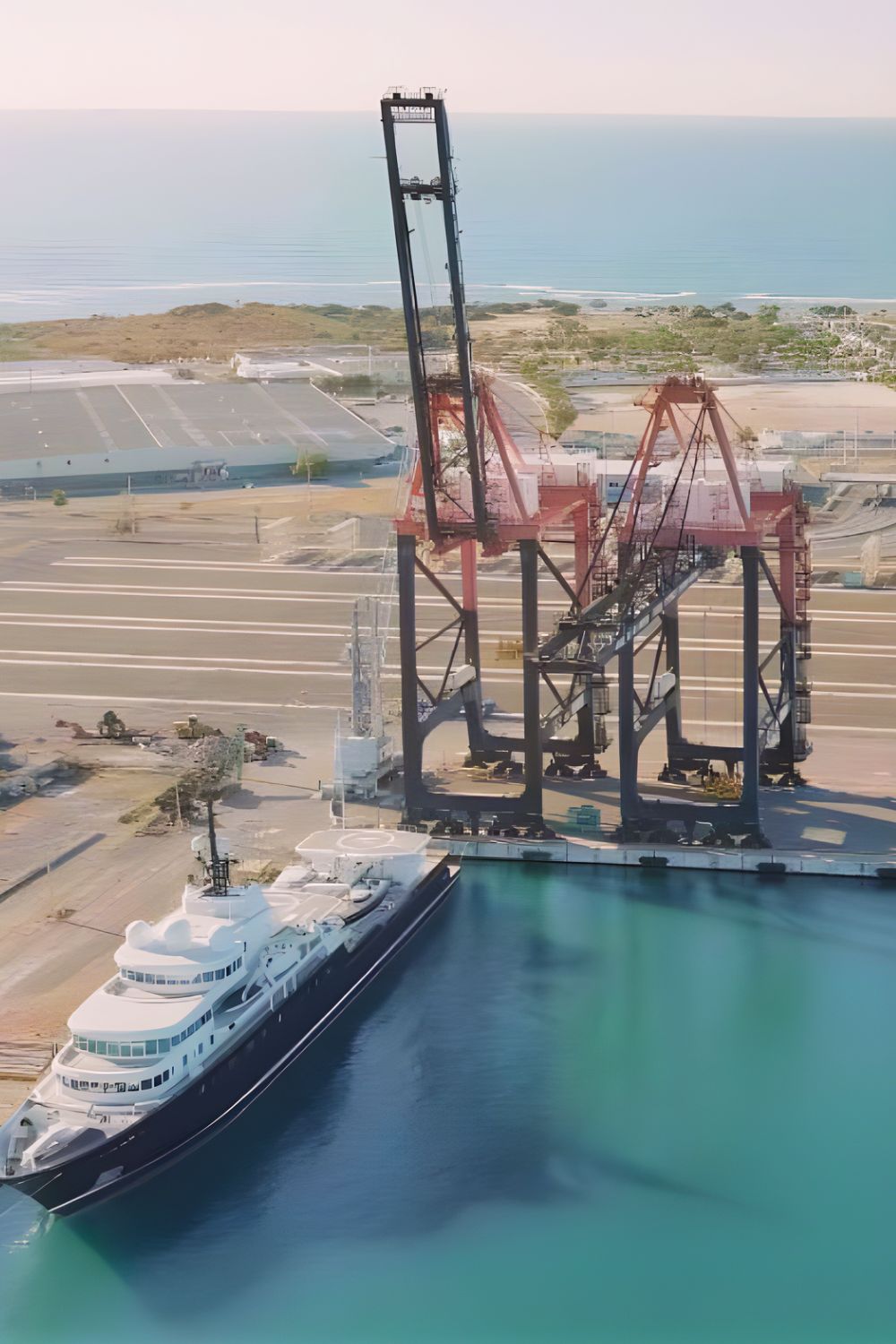
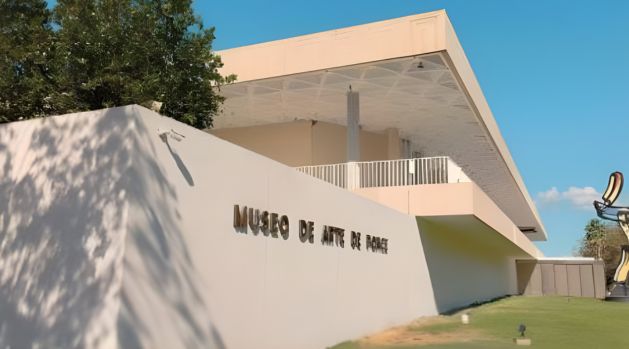
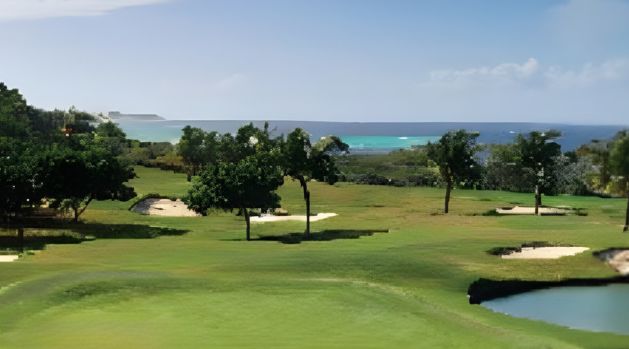
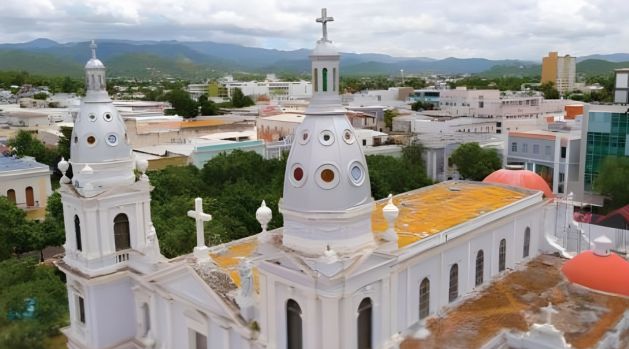
The Foreign Trade Zone, like the Port of Ponce, are part of the autonomous municipality of Ponce, a territory of 500 km2 and a population of 150,000 inhabitants; a municipality with history, tradition and quality of life.From its giant letters that welcome its visitors, to the historic Crosshead that observes and guards from Cerro el Vigia, they are part of the urban and social environment that make the city an excellent place to establish businesses. Traditional urban areas of historical composition, residential and commercial areas, and a modern network of roads and infrastructure. The city has excellent higher and technical education centers, an extensive health system, an international airport with growth potential, a tourist activity including international chain hotels and numerous tourist attractions, a sports tradition, in short, a first-rate business ecosystem. order to support the growth of companies within an environment high-quality social and economic